




















Summary
Screens are now a natural part of daily life for children, from schoolwork to entertainment. As we move into 2026, many parents in Singapore are looking for realistic ways to manage screen time without constant conflict. The goal is not to eliminate screens, but to create healthy boundaries while encouraging physical activity, focus, and real-world interaction. This article explores effective and practical ways parents can help manage kids’ screen time in 2026.
Key Takeaways
- Considering how almost everything we do involves a screen one way or another, managing screen time is about balance, not complete restriction.
- Proper Structure and routines can help children develop healthier screen habits.
- Active alternatives make it easier for kids to step away from screens.
Why Managing Screen Time Matters
With increased digital access and online learning, screen exposure is unlikely to decrease. Helping children develop healthy habits early prepares them to manage technology responsibly as they grow older.
Balanced routines support better physical health, emotional regulation, and social development. With that, we’ll dive into 7 effective ways to help you manage your child’s screen time in 2026.
1) Engage In Physical Activities Like Martial Arts After School
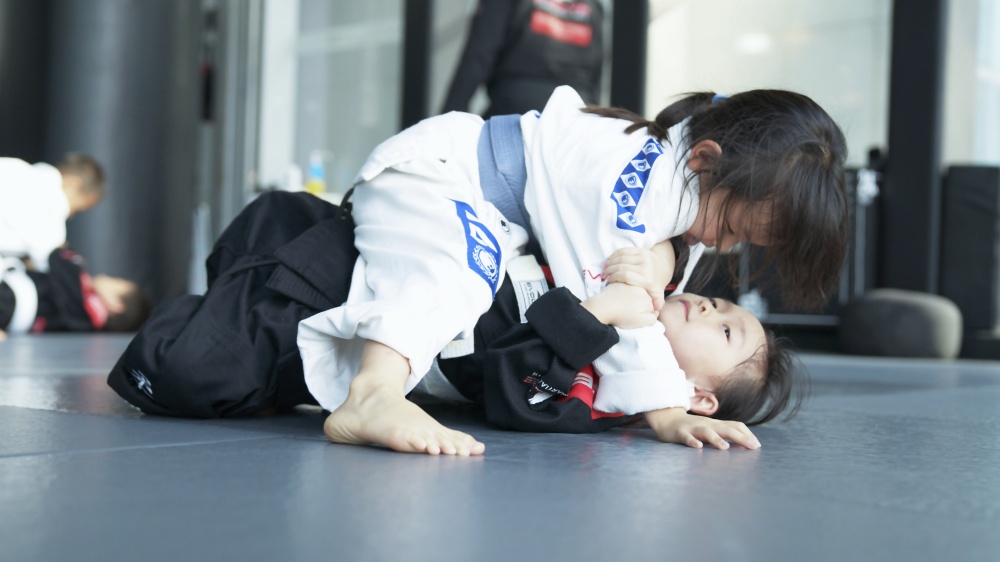
One of the most effective ways to manage screen time is to offer engaging alternatives. Children naturally turn to screens for entertainment. When kids are active and involved, screen use naturally decreases.
After school activities such as Martial arts, outdoor play, or structured fitness programs help children release energy and improve mood.
Physical activity also supports better sleep and focus, allowing your little one to release pent-up energy from long periods of sitting. It also serves as a healthy outlet, teaching them how to channel their emotions in a positive and constructive way.
2) Set Clear And Consistent Screen Time Routines
Children respond best to clear expectations. Instead of changing rules daily, set consistent time windows for screen use, such as after homework or on weekends.
Having predictable routines helps children understand boundaries and reduces negotiation. When screen time has a clear start and end, kids are more likely to accept limits.
3) Create Screen-Free Zones At Home
Designating screen-free areas such as bedrooms or dining spaces encourages healthier habits. These zones promote better sleep, stronger family connections, and improved focus.
Screen-free meals, in particular, give children space to slow down, communicate, and build awareness outside digital stimulation.
These zones don’t just apply to the little ones, you too could also use a time out and reconnect with your family to strengthened your relationships!
4) Use Structure Instead Of Constant Monitoring
Rather than constantly checking or policing screen use, focus on building structure into the day. Activity time, family time, and rest should all have clear spaces in a child’s routine.
When structure is in place, children are less likely to default to screens out of boredom.
5) Lead By Example
Children often mirror adult behavior. When parents model healthy screen habits, children are more likely to follow.
Putting phones away during family time or conversations sends a strong message that screens are not always the priority.
6) Introduce Skill-Based Activities
Skill-based activities help children stay engaged without relying on screens. Learning movement, coordination, and discipline keeps children mentally and physically active.
Structured programs such as swimming, dance, or martial arts give kids goals to work toward and a sense of progress that screens often replace.
7) Focus On Quality Over Quantity
Not all screen time is equal. Educational content, creative tools, and interactive learning can be more beneficial than passive scrolling.
Helping children understand the difference between purposeful and mindless screen use builds awareness and responsibility over time.
FAQs About Martial Arts, Screen Time, And Kids
Q: Can Martial Arts Help Improve Focus Affected By Screen Use?
A: Yes. Structured martial arts classes teach children to listen, follow instructions, and stay present. This can help improve focus and attention, especially for children who spend extended time on screens.
Q: How Often Should My Child Train To Reduce Screen Time?
A: One to two classes per week is a good starting point for most children. Regular training provides a consistent physical outlet that naturally reduces time spent on screens.
Q: At What Age Can My Child Start Martial Arts?
A: Many children can start martial arts as early as four to five years old, depending on the program. Starting young gives children a healthy physical routine that helps balance time spent on screens. Classes are usually grouped by age to ensure appropriate learning and pacing.
Q: Is Martial Arts Suitable For Children Who Are Not Very Athletic Or Spend A Lot Of Time On Screens?
A: Yes! Martial arts programs are designed to help children develop coordination, strength, and confidence gradually. Even children who are less active or used to screen-based activities can ease into training comfortably.
Q: Will My Child Be Safe During Martial Arts Training
A: Classes are supervised by trained instructors and designed with age appropriate drills and structure. Safety, control, and positive learning are always prioritized.
Encouraging Healthier Habits Through Martial Arts
One effective way to help children step away from screens is by introducing structured physical activities that keep them engaged and motivated. Martial arts offer a unique balance of movement, focus, and discipline that many kids respond well to.
At Evolve MMA, children’s martial arts programs are designed to build confidence, coordination, and healthy routines in a supportive environment. Classes give kids a productive outlet after school while helping them develop habits that reduce reliance on screens.
Managing screen time does not have to feel like a constant struggle. With structure, positive alternatives, and the right activities, children can develop healthier relationships with technology while staying active and engaged.
Book your complimentary trial class with our World Champions below!
If you have any other questions regarding Evolve MMA and the programs we offer, you can get in touch with our membership executives at the following locations:
Evolve MMA (CBD)
18 Cross St
#B1-08
Singapore 048423
Phone: (65) 6536 4525
Evolve MMA (Orchard Central)
181 Orchard Road
#06-01 Orchard Central
Singapore 238896
Phone: (65) 6536 4556
Evolve MMA (KINEX)
11 Tanjong Katong Road
#02-52 KINEX
Singapore 437157
Phone: (65) 6288 2293
Evolve MMA (Star Vista)
1 Vista Exchange Green
#02-26A The Star Vista
Singapore 138617

Summary Children learn best when they are curious, engaged, and free to explore. This is exactly why play-based learning works so well in martial arts training. Instead of relying only on repetition and structure, instructors…
Summary Childhood is full of big emotions. Kids experience excitement, frustration, joy, confusion, and stress as they learn about themselves and the world. Emotional awareness is the ability to recognize and understand these feelings. It…
Summary As parents, choosing the right physical activity for your child can feel overwhelming. Between soccer, basketball, and swimming, there’s no shortage of options, but martial arts continue to stand out as one of the…
Raising children with strong values is every parent’s goal. Beyond academics and extracurriculars, many parents look for activities that help their children grow into responsible, disciplined, and dependable individuals. One of the most effective ways…
Children’s martial arts programs are becoming increasingly popular, with many parents seeking activities that do more than just keep their kids active. Martial arts training teaches important values like discipline, confidence, and respect, but one…
In Brazilian Jiu-Jitsu, belts represent progression, skill, and time spent on the mats. But the system for children is different from adults. Because kids mature physically, mentally, and emotionally at different rates, the International Brazilian…
Summary Learning new skills is not just for children or students. For adults, picking up new skills plays a major role in maintaining brain health, mental flexibility, and emotional well-being. In Singapore, lifelong learning has…
Summary The stiff arm escape is a fundamental defensive concept in Brazilian Jiu-Jitsu used to create space and prevent pressure from settling. Rather than relying on strength or explosive movement, the stiff arm escape uses…
Summary Ankle weights are excellent workout tools for people of all ages. They are easy to transport and allow you to train anywhere. Ankle weights can be used to increase your explosiveness, speed, and vertical…
Summary Boxing is often described as a physical sport, but much of what happens in the ring is driven by rapid decision-making. During a boxing exchange, there is no time to pause and think. A…
Summary Ring control is one of the most important yet subtle skills in Muay Thai. It refers to a fighter’s ability to dictate where exchanges happen inside the ring and how opponents move. Fighters with…
Summary A large part of a beginner’s Brazilian Jiu-Jitsu journey will focus on selecting a handful of submissions. This starts from the time you begin to tap other beginners in class. As your development progresses,…