













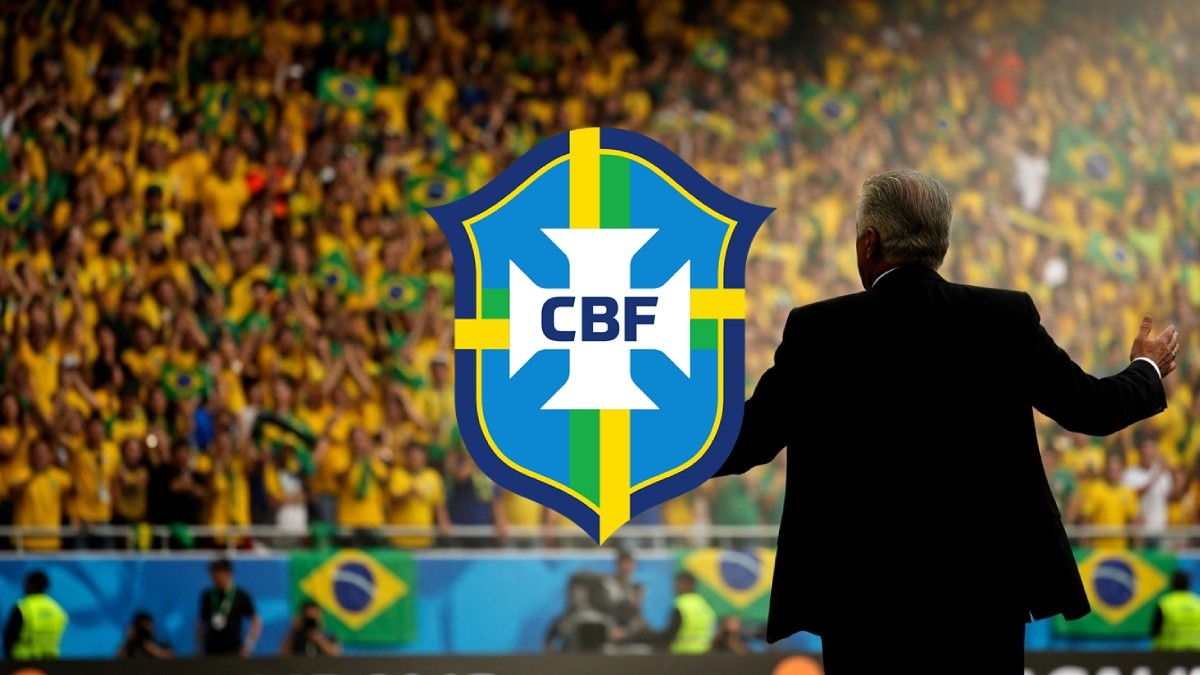
The CBF has reached an agreement with Carlo Ancelotti to extend his contract until 2030, making the Italian the highest-paid national team coach in history with €10M per year.
Eight months into the job, and the Brazilian Football Confederation has seen enough. Carlo Ancelotti will remain at the helm of the Seleção until 2030.
According to Globo Esporte, both parties have reached a verbal agreement to extend the Italian’s contract through the next World Cup cycle. The signing is expected in the first weeks of February, once Ancelotti returns from his holiday break.
What makes this move particularly telling is what the CBF did not require: results. The renewal is unconditional. Win or lose in North America this summer, Ancelotti has the job.
The numbers behind the commitment
The financial terms remain unchanged from his current deal. Ancelotti will earn €10 million per year, comfortably making him the highest-paid national team coach on the planet. Should Brazil secure the elusive sixth star in July, he pockets an additional €5 million bonus.
For context, that’s more than double what either Tite or Dorival Júnior earned in the same position. But then again, neither of them won five Champions League titles.
From chaos to calm
When Ancelotti landed in Rio de Janeiro last May, Brazil were in genuine trouble. Dorival Júnior had just been sacked following a humiliating 4-1 defeat to Argentina. The qualifying campaign looked shaky at best. Fans were restless.
The 66-year-old Italian, fresh from his 15-trophy haul at Real Madrid, brought something the national team desperately needed: composure. In eight matches, he has recorded four wins, two draws and two defeats. Not spectacular, but steady. Brazil finished fifth in CONMEBOL qualifying, ten points behind Argentina, yet secured their World Cup spot with minimal drama.
“Brazil have fantastic players and we can have a fantastic World Cup,” Ancelotti told TNT Sports earlier this month. “It’s a fantastic experience, different job, we have a fantastic goal, to be competitive at the World Cup and to try and win it.”
The Ancelotti effect
Beyond the tactical tweaks, Ancelotti has restored something intangible. The players believe again. When he handed Vinícius Júnior the number 10 shirt and brought Casemiro back into the fold, it sent a message: this is a squad built on trust, not experiments.
CBF president Samir Xaud has made no secret of his admiration. “I see this conversation in a positive light,” he said in November when asked about extending Ancelotti’s stay. “Everything is there for it to succeed.”
Ancelotti himself has been characteristically relaxed about the whole thing. In an ESPN interview, he admitted that staying until 2030 “would be cool” but added there was no rush. He even joked that signing before the World Cup might be financially smarter for him.
What lies ahead
Brazil’s immediate challenge is Group C in the United States. Morocco, Scotland and Haiti await. The opener against Walid Regragui’s Atlas Lions on June 13 in New Jersey already feels like a potential statement game. Morocco reached the semi-finals in Qatar; they won’t be intimidated.
If Brazil stumbles this summer, the pressure will be immense. Twenty-four years without a World Cup title weighs heavily on a nation that considers itself football royalty. But by securing Ancelotti’s future now, the CBF is betting on process over panic.
It’s a gamble. It’s also the most un-Brazilian thing they’ve done in years. And maybe that’s exactly the point.

The CBF has reached an agreement with Carlo Ancelotti to extend his contract until 2030, making the Italian the highest-paid national team coach in history with €10M per year.
Eight months into the job, and the Brazilian Football Confederation has seen enough. Carlo Ancelotti will remain at the helm of the Seleção until 2030.
According to Globo Esporte, both parties have reached a verbal agreement to extend the Italian’s contract through the next World Cup cycle. The signing is expected in the first weeks of February, once Ancelotti returns from his holiday break.
What makes this move particularly telling is what the CBF did not require: results. The renewal is unconditional. Win or lose in North America this summer, Ancelotti has the job.
The numbers behind the commitment
The financial terms remain unchanged from his current deal. Ancelotti will earn €10 million per year, comfortably making him the highest-paid national team coach on the planet. Should Brazil secure the elusive sixth star in July, he pockets an additional €5 million bonus.
For context, that’s more than double what either Tite or Dorival Júnior earned in the same position. But then again, neither of them won five Champions League titles.
From chaos to calm
When Ancelotti landed in Rio de Janeiro last May, Brazil were in genuine trouble. Dorival Júnior had just been sacked following a humiliating 4-1 defeat to Argentina. The qualifying campaign looked shaky at best. Fans were restless.
The 66-year-old Italian, fresh from his 15-trophy haul at Real Madrid, brought something the national team desperately needed: composure. In eight matches, he has recorded four wins, two draws and two defeats. Not spectacular, but steady. Brazil finished fifth in CONMEBOL qualifying, ten points behind Argentina, yet secured their World Cup spot with minimal drama.
“Brazil have fantastic players and we can have a fantastic World Cup,” Ancelotti told TNT Sports earlier this month. “It’s a fantastic experience, different job, we have a fantastic goal, to be competitive at the World Cup and to try and win it.”
The Ancelotti effect
Beyond the tactical tweaks, Ancelotti has restored something intangible. The players believe again. When he handed Vinícius Júnior the number 10 shirt and brought Casemiro back into the fold, it sent a message: this is a squad built on trust, not experiments.
CBF president Samir Xaud has made no secret of his admiration. “I see this conversation in a positive light,” he said in November when asked about extending Ancelotti’s stay. “Everything is there for it to succeed.”
Ancelotti himself has been characteristically relaxed about the whole thing. In an ESPN interview, he admitted that staying until 2030 “would be cool” but added there was no rush. He even joked that signing before the World Cup might be financially smarter for him.
What lies ahead
Brazil’s immediate challenge is Group C in the United States. Morocco, Scotland and Haiti await. The opener against Walid Regragui’s Atlas Lions on June 13 in New Jersey already feels like a potential statement game. Morocco reached the semi-finals in Qatar; they won’t be intimidated.
If Brazil stumbles this summer, the pressure will be immense. Twenty-four years without a World Cup title weighs heavily on a nation that considers itself football royalty. But by securing Ancelotti’s future now, the CBF is betting on process over panic.
It’s a gamble. It’s also the most un-Brazilian thing they’ve done in years. And maybe that’s exactly the point.