

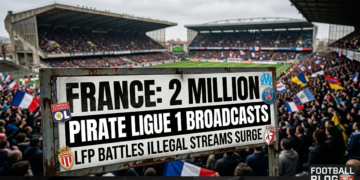



















The LFP (Ligue de Football Professionnel) has dropped a bombshell regarding the current state of French football consumption.
According to their latest figures, an estimated two million people in France are regularly watching matches via illegal pirate streams rather than official channels.
This revelation comes at a precarious time for French football, as the league continues to navigate a complex broadcasting landscape and fluctuating Ligue 1 viewership numbers.
The Scale of the Ligue 1 Piracy Problem
In a recent briefing, the LFP detailed the sheer volume of “black market” consumption.
While official domestic broadcasters like DAZN and beIN Sports have been working to stabilize their subscriber bases, a massive portion of the audience has migrated to IPTV services and illicit social media streams.
The LFP suggests that the “two million” figure is a conservative estimate, accounting for those who access matches via specialized hardware or unauthorized apps.
For a league trying to maximize the value of its media rights, this level of leakage represents a significant financial drain.
Why Ligue 1 Viewership is Shifting to Illegal Channels
The shift isn’t happening in a vacuum. Industry experts point to a combination of rising subscription costs and a fragmented viewing experience as the primary drivers for piracy.
With the rights to French football split across different platforms, fans are often asked to pay multiple monthly fees to follow their team throughout the season.
When you factor in the high cost of living, many supporters have reached a breaking point, opting for the convenience — and price point — of illegal alternatives.
“We are seeing a disconnect between the pricing models and the reality of the consumer,” noted one media analyst. “If it is easier and cheaper to pirate than it is to watch legally, the LFP will always be fighting an uphill battle.”
LFP’s Plan to Combat the ‘Ligue 1 Piracy Pandemic’
The French league isn’t taking this lying down. The LFP has been vocal about its intentions to work more closely with internet service providers (ISPs) and government bodies to implement stricter blocking measures.
The goal is to move toward “dynamic blocking,” which would allow authorities to shut down illegal streams in real-time during live matches.
However, as any tech-savvy fan knows, as soon as one site goes down, three more usually pop up in its place.
Impact on Future Ligue 1 Media Rights
The ultimate concern for the LFP is how this affects the bottom line. If Ligue 1 viewership remains high but the revenue stays low due to piracy, the value of the league’s next domestic and international rights cycle could be severely diminished.
Club presidents across France are reportedly growing anxious.
Without the projected broadcast revenue, the gap between the haves (like PSG) and the rest of the league could widen even further, potentially hurting the competitive balance and overall appeal of the product. There is also a need for the league to hold on to their top stars, like Osmane Dembele staying at PSG.
As the LFP prepares for its next move, the message to the fans is clear: the future of French football depends on moving the audience back to legal platforms.
Whether the league can offer a price point that makes that move attractive remains to be seen.