











Summary
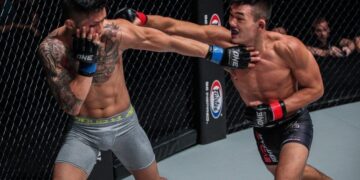
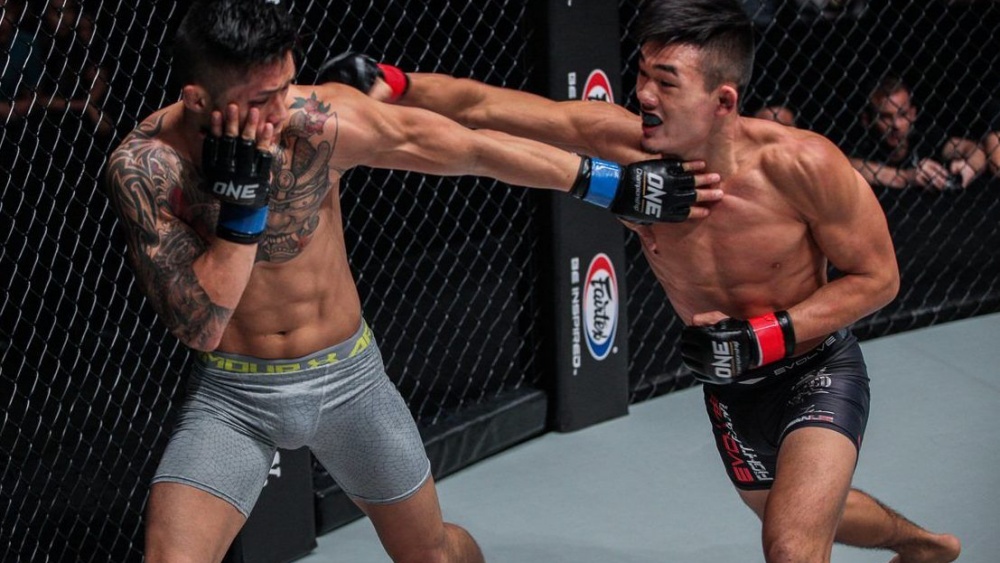
Footwork plays a crucial role in modern mixed martial arts. While MMA combines multiple disciplines, many of the movement principles used by elite fighters come directly from boxing. Boxing footwork influences how MMA fighters manage distance, create angles, avoid damage, and set up offense.
Good footwork allows fighters to enter and exit striking range safely. It also helps them conserve energy by avoiding unnecessary movement. These principles are central to boxing and have translated effectively into MMA.
This article explores how boxing footwork has shaped MMA striking, why it works, and how it has been adapted for the cage environment.
Key Takeaways
- Boxing footwork helps MMA fighters control distance and timing.
- Movement principles must be adapted for takedowns and cage awareness.
- Efficient footwork supports both offense and defense in MMA.
Boxing footwork emphasizes balance, stance integrity, and efficient steps. Fighters are taught to stay light on their feet, move without crossing their legs, and maintain the ability to punch while moving.
Lateral movement, pivots, and angle creation are key features. These allow boxers to attack while staying defensively responsible. MMA fighters have adopted these concepts to improve striking exchanges and defensive movement.
Adapting Boxing Footwork For MMA
While boxing footwork provides a strong foundation, MMA presents additional challenges. Fighters must account for kicks, takedowns, and clinch engagements.
This means footwork in MMA tends to be slightly wider and more grounded. Fighters use boxing style movement but adjust their stance to defend leg kicks and sprawl against takedowns. The result is a hybrid movement style that blends agility with stability.
One of the biggest contributions of boxing footwork to MMA is angle creation. By stepping off center and pivoting, fighters avoid direct counters while opening new striking lanes.
This approach allows MMA fighters to land clean shots without standing directly in front of their opponent. Angles also disrupt takedown timing, making it harder for opponents to shoot cleanly.
Defensive Benefits Of Boxing Footwork
Effective footwork reduces damage. Slipping, stepping back, and circling away from danger allow fighters to avoid strikes without absorbing impact.
In MMA, this is especially important due to the smaller gloves and increased risk of cuts. Fighters who rely on footwork rather than static defense often absorb fewer clean shots over time.
Cage Awareness And Movement
Unlike boxing, MMA takes place inside a cage. Footwork must account for limited space and boundary control.
Fighters use boxing-style movement to circle away from the fence and avoid being trapped. Understanding when to move laterally and when to reset position is essential for maintaining control in MMA bouts.
Fighters Known For Boxing Influenced Footwork
Several MMA fighters are known for using boxing footwork effectively.
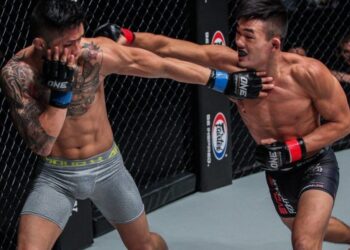
Dominick Cruz built a career around constant angle changes, lateral movement, and rhythm disruption. His footwork made him difficult to track and counter.
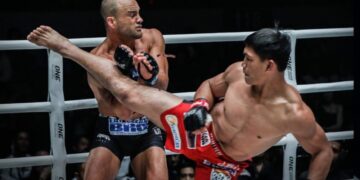
Israel Adesanya uses refined striking footwork to manage range and set traps. His ability to glide in and out of range reflects strong boxing influence adapted for kicks and takedown defense.
These examples show how boxing footwork concepts can thrive in MMA when properly adjusted.
Common Mistakes When Using Boxing Footwork In MMA
Some fighters struggle when applying boxing footwork directly without modification.
Common issues include standing too narrow, over-committing to pivots, or ignoring leg kick exposure. Effective MMA footwork requires awareness of all striking and grappling threats.
Balancing movement with defensive readiness is key.
How Footwork Impacts Fight Strategy
Footwork influences pacing, shot selection, and energy management. Fighters with strong movement control, where exchanges happen and when.
This strategic advantage becomes more apparent in longer fights, where efficient movement helps conserve energy and maintain composure under pressure.
FAQs On Footwork In Boxing & MMA
Q: Is Boxing Footwork Enough For MMA
A: No. It must be adapted to account for kicks, takedowns, and cage positioning.
Q: Does Good Footwork Reduce Takedowns
A: Yes. Proper movement and angles make clean takedown entries harder.
Q: Should MMA Beginners Train Boxing Footwork
A: Yes. It provides a strong foundation when combined with MMA-specific adjustments.
Q: Is Footwork More Important Than Speed
A: Often yes. Positioning and timing matter more than raw speed.
Q: Can Footwork Improve Endurance
A: Efficient movement reduces unnecessary energy expenditure.
Final Thoughts
Boxing footwork has had a lasting influence on modern MMA. By teaching fighters how to move efficiently, create angles, and control distance, it enhances both offense and defense. When adapted thoughtfully to the realities of MMA, boxing footwork becomes a powerful tool that supports long term performance, strategic control, and technical consistency inside the cage.
You may also like:
Breaking Down The Scorpion Punch And Its Application In MMA

Summary The spinning hook kick is one of the most visually striking techniques in martial arts. While it is less common than round kicks or teeps, it can be highly effective when used with proper…
Summary The scorpion punch is an unconventional striking technique sometimes seen in MMA and combat sports. Instead of following standard straight or looping mechanics, the punch often bends around guards or arrives from outside the…
Summary Japan has produced some of the most technically refined and disciplined fighters in modern combat sports. Across boxing, MMA, kickboxing, and Muay Thai, Japanese athletes have built global reputations through their precision, consistency, and…
Summary Technical mastery in MMA doesn’t just rely on power. It’s also about timing, positioning, adaptability, and the ability to solve problems in real time. A technical fighter understands distance, timing, and transitions. They know…
Summary Sambo is a combat sport that originated in the Soviet Union, created to train military and law enforcement personnel. The name comes from a phrase meaning self-defense without weapons. Unlike traditional Gi-based grappling, Sambo…
Summary Mixed Martial Arts offers a complete way to stay fit, learn new skills, and build confidence. But the biggest challenge for many people is finding a routine that matches their lifestyle. Whether you work…
Summary Screens are now a natural part of daily life for children, from schoolwork to entertainment. As we move into 2026, many parents in Singapore are looking for realistic ways to manage screen time without…
Summary Learning new skills is not just for children or students. For adults, picking up new skills plays a major role in maintaining brain health, mental flexibility, and emotional well-being. In Singapore, lifelong learning has…
Summary The stiff arm escape is a fundamental defensive concept in Brazilian Jiu-Jitsu used to create space and prevent pressure from settling. Rather than relying on strength or explosive movement, the stiff arm escape uses…
Summary Ankle weights are excellent workout tools for people of all ages. They are easy to transport and allow you to train anywhere. Ankle weights can be used to increase your explosiveness, speed, and vertical…
Summary Boxing is often described as a physical sport, but much of what happens in the ring is driven by rapid decision-making. During a boxing exchange, there is no time to pause and think. A…
Summary Ring control is one of the most important yet subtle skills in Muay Thai. It refers to a fighter’s ability to dictate where exchanges happen inside the ring and how opponents move. Fighters with…