
















Summary
Training hard is only half the equation. Whether you train BJJ, Muay Thai, lift weights, or run marathons, recovery determines how well your body adapts and improves. In 2026, recovery is no longer just about rest days. It combines sleep science, nervous system regulation, mobility work, and data-driven tools to help people train smarter and stay consistent.
With that, this article will discuss five of the most updated and evidence supported recovery methods being used today across combat sports, endurance training, and general fitness.
Key Takeaways
- In today’s modern training environment, recovery is about adaptation, not just rest. The goal is to help the body adjust, rebuild, and come back stronger.
- Nervous system regulation plays a key role in recovery, often just as important as muscle repair, because it directly affects stress levels, performance, and overall readiness.
- Sleep optimization remains the most powerful and proven recovery tool for improving performance, hormone balance, and long-term health.
- While many trendy recovery methods may offer short-term benefits, science-backed strategies consistently outperform quick fixes when it comes to sustainable results.
1) Sleep Optimization And Circadian Recovery
Sleep remains the most powerful recovery tool, even in 2026. What has evolved is how seriously athletes now treat sleep as structured training.
Research published in the Journal of Clinical Sleep Medicine shows that extending sleep improves reaction time, accuracy, and mood in athletes. Additional findings in Sports Medicine highlight that deep sleep plays a critical role in growth hormone release and muscle repair.
Modern recovery strategies now include:
- Consistent sleep and wake times.
- Limiting blue light exposure at night.
- Setting a cooler room temperature.
- Using wearable devices to track and monitor sleep cycles.
Athletes across MMA and endurance sports should prioritize 7 to 9 hours nightly, often treating sleep as non negotiable. If you only adopt one recovery habit, this should be it.
2) Cold Water Immersion And Contrast Therapy
Cold plunges are no longer just a trend. They are now strategically timed tools.
A 2023 meta analysis in the British Journal of Sports Medicine found that cold water immersion can reduce delayed onset muscle soreness and perceived fatigue when used after high-intensity sessions. However, more recent research published in Frontiers in Physiology suggests that frequent cold exposure immediately after strength training may blunt muscle growth adaptations.
In 2026, the smarter approach includes:
- Using cold immersion after competition or intense conditioning.
- Avoiding immediate cold exposure after hypertrophy-focused training.
- Combining contrast therapy, alternating hot and cold, to stimulate circulation.
This method supports nervous system recovery and inflammation control without compromising long-term adaptation.
3) Active Recovery And Zone 2 Cardio
Complete rest is not always the fastest path to recovery. Active recovery has gained stronger scientific backing over the past few years.
Research from the Journal of Strength and Conditioning Research supports low-intensity aerobic work, often called Zone 2 cardio, as a tool for improving blood flow and clearing metabolic byproducts without adding excessive stress.
Examples include:
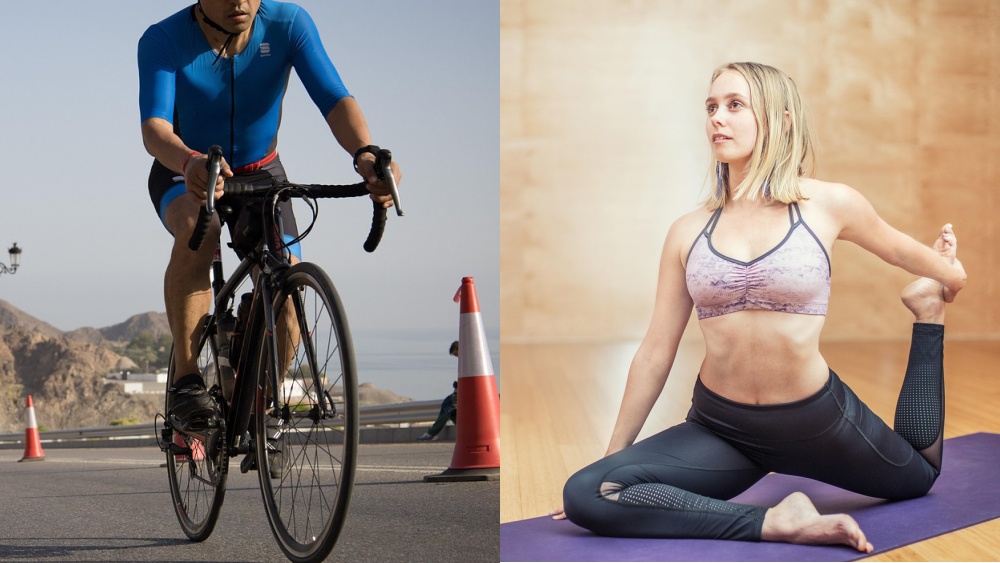
For martial artists and general fitness enthusiasts alike, 20 to 40 minutes of low-intensity movement on rest days improves circulation and reduces stiffness. It keeps the body primed without overloading the system.
4) Breathwork And Nervous System Regulation
One of the biggest shifts in recovery science is the focus on the nervous system.
Training activates the sympathetic nervous system, often called fight or flight mode. Recovery requires shifting into parasympathetic dominance, the rest and digest state.
Studies in Frontiers in Human Neuroscience and Psychophysiology show that slow breathing techniques improve heart rate variability, which is a marker of recovery readiness.
Common methods used in 2026:
- Box breathing
- 4 7 8 breathing
- Extended exhale breathing
- Nasal-only recovery sessions
Just five to ten minutes of controlled breathing post-training can lower stress hormones and accelerate systemic recovery. This method benefits both athletes and busy professionals managing high cognitive stress.
5) Mobility-Based Recovery And Tissue Quality Work
Mobility work has evolved beyond static stretching. Today, recovery-focused mobility includes:
- Controlled articular rotations
- Loaded stretching
- Isometric holds at end range
- Myofascial release using foam rollers or massage tools.
Research published in Sports Medicine and The Journal of Applied Physiology shows that structured mobility improves joint range of motion without negatively affecting strength when programmed properly.
In combat sports especially, maintaining joint health reduces wear and tear from repetitive striking or grappling. For office workers and gym goers, mobility helps offset prolonged sitting and postural strain.
Instead of random stretching, 2026 recovery emphasizes targeted mobility sessions lasting 15 to 30 minutes, focused on hips, thoracic spine, and shoulders.
FAQs On Recovery Methods For After Workout Sessions
Q: What Is The Most Important Recovery Method Overall?
A: Sleep remains the most powerful recovery tool. Without adequate sleep, other methods provide limited benefit.
Q: Should You Use Cold Plunges After Every Workout?
A: Not necessarily. Cold exposure is most beneficial after high-intensity or competition sessions. Frequent use after strength training may reduce muscle adaptation.
Q: How Long Should Active Recovery Sessions Last?
A: Typically 20 to 40 minutes at low intensity. The goal is circulation, not fatigue.
Q: Is Breathwork Really Effective For Recovery?
A: Yes! Many underestimate the power of breathwork, but controlled breathing improves heart rate variability and shifts the body into a parasympathetic state, which ultimately supports systemic recovery.
Final Thoughts
Recovery in 2026 is smarter, not softer. It is no longer just about taking a day off. It is about understanding how your body adapts, how your nervous system resets, and how to train consistently without burning out.
Whether you practice BJJ, Muay Thai, lift weights, or simply want to feel better day to day, recovery determines progress. The athletes who improve the fastest are not always the ones who train the hardest. They are the ones who recover the smartest.
You may also like:
A Practical Guide To Balancing Festive Eating This Chinese New Year

Summary Chinese New Year is a time for reunion dinners, snacks, and celebration. Its also one of the easiest seasons to overindulge without realizing it. The good news is you do not need to avoid…
Summary Ankle weights are excellent workout tools for people of all ages. They are easy to transport and allow you to train anywhere. Ankle weights can be used to increase your explosiveness, speed, and vertical…
Summary High-intensity training is known for pushing your heart rate up and delivering strong fitness results in a short amount of time. But many people who train consistently notice something else. Beyond physical benefits, many…
Summary As more people look for ways to stay active, reconnect with nature, and step away from digital routines, 2026 offers many exciting outdoor activities to explore. From scenic walks and coastal adventures to team-based…
Summary Inflammation is a natural response that helps the body heal. However, chronic inflammation can lead to fatigue, discomfort, and long-term health issues. Anti-inflammatory diets have become more popular in recent years as people look…
Summary Martial arts is not just about technique and conditioning. It also requires speed, timing, and the ability to generate power instantly. Explosive exercises help martial artists develop faster reactions, stronger strikes, sharper movements, and…
Summary In martial arts, small details often create big breakthroughs. Most of the time, growth comes from mastering fundamentals, and Brazilian Jiu-Jitsu teaches the same lesson on the mats. One of those overlooked fundamentals is…
Summary Shyness is a natural part of growing up for many children. Some prefer to observe before participating. Others need time to feel comfortable in social environments. Martial arts offers a structured and supportive space…
Summary The right words at the right time can change how you train, think, and live. These motivational quotes from various martial artist are not just inspiring lines. They are reminders that growth happens when you…
Summary When people think of Muay Thai, they picture explosive roundhouse kicks, sharp elbows, and powerful knees. But many fights are not determined by flashy and loud techniques. They are shaped by smaller, often overlooked…
Summary Many people assume boxing is only for the young or for those looking to compete. In reality, boxing is one of the most accessible and adaptable forms of exercise for adults of any age….
Summary Heel hooks are among the most powerful submissions in Brazilian Jiu-Jitsu. When applied correctly, they can end a match instantly. But not all heel hooks are the same. The inside heel hook and outside…