



















Bayern Munich crossed the 400,000 member mark in February 2025, claiming the title of world’s largest sports club. But Dortmund’s Yellow Wall tells a different story about what popularity really means.
The numbers game
Here’s a stat that will settle bar debates across Germany: Bayern Munich officially became the world’s biggest sports club by membership in February 2025. At the club’s 125th anniversary celebrations at the Paulaner Nockherberg, president Herbert Hainer announced they’d crossed the 400,000 member threshold. By November 2025, that figure had swelled to over 432,500.
No football club on the planet has more paying members. Not Real Madrid. Not Barcelona. Not Benfica, who hit their own 400,000 milestone on 26 February 2025, just one day before Bayern’s announcement. The Portuguese giants now trail the Bavarians in this particular race.
In Germany, it’s not even close. Borussia Dortmund announced 230,000 members as of summer 2025 — a respectable number, fifth in the world, but roughly half of what their Munich rivals boast.
What €65 buys you in Bavaria
Bayern membership costs €65 per year for adults, with discounts for under-25s (€45), seniors over 65 and under-17s (€35 each). You get a personalised scarf, a membership card with a number that drops as your tenure grows, and access to the club magazine “51” — named after the percentage of shares that must remain with members under German football’s 50+1 rule.
The real prize? A chance — slim, but real — at tickets for the perpetually sold-out Allianz Arena. Members get priority in the draw, a €2.50 discount on seat tickets, and access to the secondary exchange for matches that have already sold out. It’s not a guarantee of entry, but for the 432,500 people who’ve signed up, it’s worth the gamble.
Bayern’s membership growth has been staggering. In 1979, the club had 6,800 members. They hit 100,000 in 2004, 200,000 in 2013, 300,000 in 2023. The past two years have seen an acceleration that even the club didn’t anticipate. Between May and November 2024 alone, nearly 100,000 new members joined.
The global picture
Looking beyond Germany, the membership rankings paint an interesting picture:
| Rank Club Country Members | |||
| 1 | Bayern Munich | Germany | 432,500+ |
| 2 | Benfica | Portugal | 400,000 |
| 3 | River Plate | Argentina | 350,000+ |
| 4 | Boca Juniors | Argentina | 315,000+ |
| 5 | Borussia Dortmund | Germany | 230,000 |
What strikes me about this list is the dominance of clubs with genuine member ownership structures. These aren’t just fan clubs in the Premier League sense — they’re actual stakeholders with voting rights. The Argentine giants, River Plate and Boca Juniors, both surged past 300,000 in 2023, with River announcing 350,000 members in November that year. Secretary general Stefano Di Carlo posted the news on X, noting it made them the largest club on their continent.
But popularity isn’t just about membership cards
Here’s where I have to push back on the numbers. Dortmund may have half Bayern’s membership, but walk into Signal Iduna Park on a matchday and tell me which club has more soul.
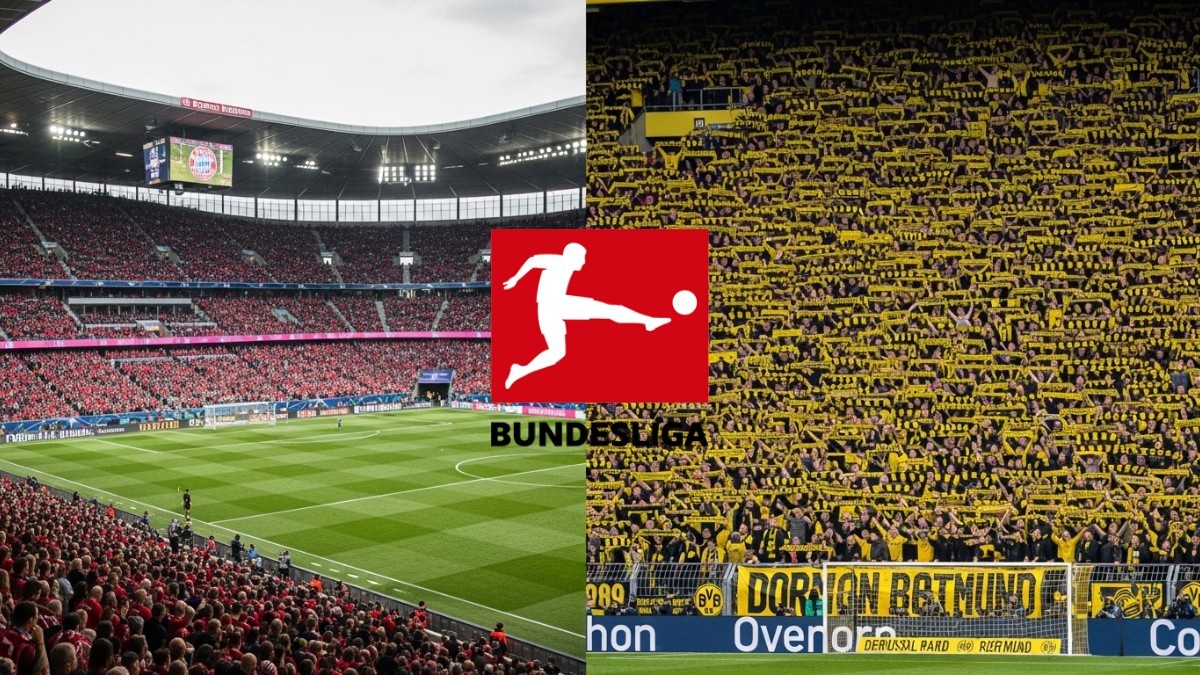
The Südtribüne — the famous Yellow Wall — holds 24,454 standing fans on its terrace, the largest of its kind in European football. It’s 100 metres wide and 40 metres high. When the entire stand belts out “You’ll Never Walk Alone” before kickoff, scarves raised in unison, it creates something that no membership number can quantify.
Bastian Schweinsteiger, when he still wore Bayern colours, was once asked whether he feared Dortmund’s players or Jürgen Klopp more. His answer: “It is the Yellow Wall that scares me the most.”
Signal Iduna Park regularly sells out its 81,365 capacity and holds the European attendance record — 1.37 million spectators across 17 home games in 2011-12, averaging 80,588 per match. The stadium tour is conducted in English specifically because so many foreign fans make the pilgrimage.
What membership really means in German football
The Bundesliga’s 50+1 rule ensures that members hold the majority of voting rights at most clubs. This isn’t abstract governance — it shapes everything from ticket prices to transfer policy. Bayern’s annual general meeting in 2025 saw Hainer re-elected as president with 95.63% of the vote, a reflection of member satisfaction with the club’s direction.
At Bayern, membership has become a form of identity. The club’s membership card number decreases the longer you stay — a veteran member with a three-digit number carries genuine status. At their 125th anniversary celebration, the club honoured members with 35, 50, 60, and even 70 years of continuous loyalty. Three people had maintained their membership since 1955.
Dortmund’s approach is different but no less passionate. Season tickets in the Yellow Wall pass through generations. The standing section creates an intensity that seated areas simply can’t replicate. Fans view themselves as participants, not spectators — and the results show. BVB went unbeaten at home during their 2012-13 Champions League run all the way to the Wembley final.
So who wins?
If you’re counting membership cards, Bayern Munich wins and it’s not close. They’ve built a global machine that extends far beyond Bavaria — offices in Bangkok and Seoul, 4,425 registered fan clubs with over 328,564 members, a waiting list for membership that speaks to their appeal.
But popularity in football has never been just about numbers. The Yellow Wall remains one of the sport’s genuine phenomena, a standing testament to what fan culture can achieve when you prioritise atmosphere over commercialisation.
Bayern president Hainer put it well at the anniversary celebration: “No transfer fee could ever secure our DNA — it’s priceless.” He was talking about Bayern’s identity, but the same applies to what Dortmund has built in their south stand.
Both clubs are popular. Both are doing something right. The only losers are the rest of us who have to watch from abroad, refreshing ticket pages and hoping our number comes up.

Bayern Munich crossed the 400,000 member mark in February 2025, claiming the title of world’s largest sports club. But Dortmund’s Yellow Wall tells a different story about what popularity really means.
The numbers game
Here’s a stat that will settle bar debates across Germany: Bayern Munich officially became the world’s biggest sports club by membership in February 2025. At the club’s 125th anniversary celebrations at the Paulaner Nockherberg, president Herbert Hainer announced they’d crossed the 400,000 member threshold. By November 2025, that figure had swelled to over 432,500.
No football club on the planet has more paying members. Not Real Madrid. Not Barcelona. Not Benfica, who hit their own 400,000 milestone on 26 February 2025, just one day before Bayern’s announcement. The Portuguese giants now trail the Bavarians in this particular race.
In Germany, it’s not even close. Borussia Dortmund announced 230,000 members as of summer 2025 — a respectable number, fifth in the world, but roughly half of what their Munich rivals boast.
What €65 buys you in Bavaria
Bayern membership costs €65 per year for adults, with discounts for under-25s (€45), seniors over 65 and under-17s (€35 each). You get a personalised scarf, a membership card with a number that drops as your tenure grows, and access to the club magazine “51” — named after the percentage of shares that must remain with members under German football’s 50+1 rule.
The real prize? A chance — slim, but real — at tickets for the perpetually sold-out Allianz Arena. Members get priority in the draw, a €2.50 discount on seat tickets, and access to the secondary exchange for matches that have already sold out. It’s not a guarantee of entry, but for the 432,500 people who’ve signed up, it’s worth the gamble.
Bayern’s membership growth has been staggering. In 1979, the club had 6,800 members. They hit 100,000 in 2004, 200,000 in 2013, 300,000 in 2023. The past two years have seen an acceleration that even the club didn’t anticipate. Between May and November 2024 alone, nearly 100,000 new members joined.
The global picture
Looking beyond Germany, the membership rankings paint an interesting picture:
| Rank Club Country Members | |||
| 1 | Bayern Munich | Germany | 432,500+ |
| 2 | Benfica | Portugal | 400,000 |
| 3 | River Plate | Argentina | 350,000+ |
| 4 | Boca Juniors | Argentina | 315,000+ |
| 5 | Borussia Dortmund | Germany | 230,000 |
What strikes me about this list is the dominance of clubs with genuine member ownership structures. These aren’t just fan clubs in the Premier League sense — they’re actual stakeholders with voting rights. The Argentine giants, River Plate and Boca Juniors, both surged past 300,000 in 2023, with River announcing 350,000 members in November that year. Secretary general Stefano Di Carlo posted the news on X, noting it made them the largest club on their continent.
But popularity isn’t just about membership cards
Here’s where I have to push back on the numbers. Dortmund may have half Bayern’s membership, but walk into Signal Iduna Park on a matchday and tell me which club has more soul.
The Südtribüne — the famous Yellow Wall — holds 24,454 standing fans on its terrace, the largest of its kind in European football. It’s 100 metres wide and 40 metres high. When the entire stand belts out “You’ll Never Walk Alone” before kickoff, scarves raised in unison, it creates something that no membership number can quantify.
Bastian Schweinsteiger, when he still wore Bayern colours, was once asked whether he feared Dortmund’s players or Jürgen Klopp more. His answer: “It is the Yellow Wall that scares me the most.”
Signal Iduna Park regularly sells out its 81,365 capacity and holds the European attendance record — 1.37 million spectators across 17 home games in 2011-12, averaging 80,588 per match. The stadium tour is conducted in English specifically because so many foreign fans make the pilgrimage.
What membership really means in German football
The Bundesliga’s 50+1 rule ensures that members hold the majority of voting rights at most clubs. This isn’t abstract governance — it shapes everything from ticket prices to transfer policy. Bayern’s annual general meeting in 2025 saw Hainer re-elected as president with 95.63% of the vote, a reflection of member satisfaction with the club’s direction.
At Bayern, membership has become a form of identity. The club’s membership card number decreases the longer you stay — a veteran member with a three-digit number carries genuine status. At their 125th anniversary celebration, the club honoured members with 35, 50, 60, and even 70 years of continuous loyalty. Three people had maintained their membership since 1955.
Dortmund’s approach is different but no less passionate. Season tickets in the Yellow Wall pass through generations. The standing section creates an intensity that seated areas simply can’t replicate. Fans view themselves as participants, not spectators — and the results show. BVB went unbeaten at home during their 2012-13 Champions League run all the way to the Wembley final.
So who wins?
If you’re counting membership cards, Bayern Munich wins and it’s not close. They’ve built a global machine that extends far beyond Bavaria — offices in Bangkok and Seoul, 4,425 registered fan clubs with over 328,564 members, a waiting list for membership that speaks to their appeal.
But popularity in football has never been just about numbers. The Yellow Wall remains one of the sport’s genuine phenomena, a standing testament to what fan culture can achieve when you prioritise atmosphere over commercialisation.
Bayern president Hainer put it well at the anniversary celebration: “No transfer fee could ever secure our DNA — it’s priceless.” He was talking about Bayern’s identity, but the same applies to what Dortmund has built in their south stand.
Both clubs are popular. Both are doing something right. The only losers are the rest of us who have to watch from abroad, refreshing ticket pages and hoping our number comes up.