



















Summary
Boxing is often described as a physical sport, but much of what happens in the ring is driven by rapid decision-making. During a boxing exchange, there is no time to pause and think. A punch can travel from the shoulder to a target in less than a second. To survive and respond, boxers rely on automatic responses built through training.
Boxers constantly read movement, judge distance, and react to threats in fractions of a second. These are the result of training, pattern recognition, and emotional control developed over time.
This article explores how boxers make split-second decisions under pressure and why this skill separates effective fighters from reactive ones.
Key Takeaways
- Split-second decisions in boxing are driven by trained instincts rather than conscious thought.
- Repetition and pattern recognition play a major role in fast reactions.
- Emotional control helps boxers make better decisions under pressure.
Pattern Recognition Over Raw Reaction Time
Contrary to popular belief, elite boxers are not simply faster thinkers. They are better at recognizing patterns.
Subtle cues such as shoulder movement, foot placement, or weight shifts signal what is coming next. Experienced boxers read these signals before a punch is fully thrown. This allows them to slip, block, or counter without needing exceptional reflexes.
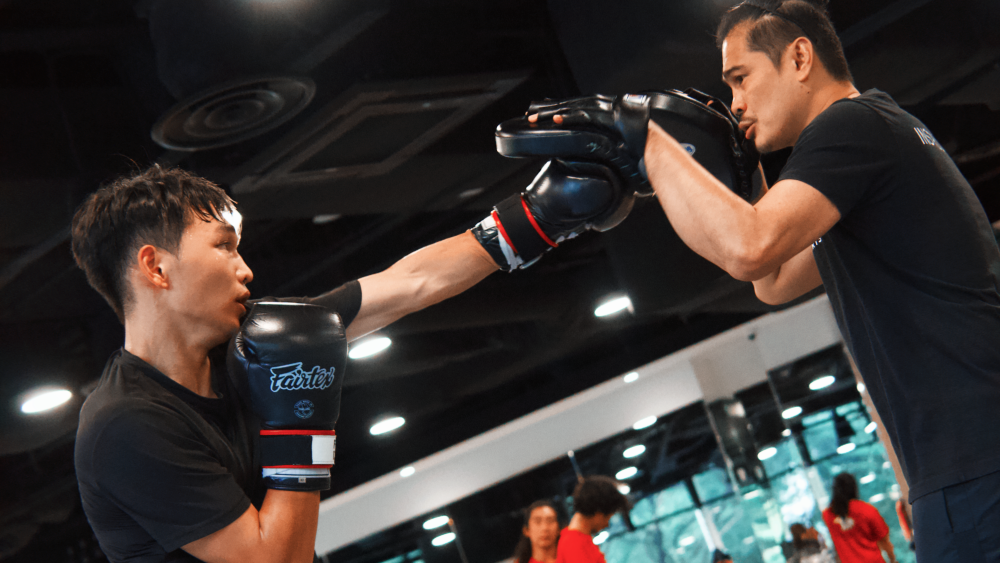
This skill is developed through sparring, pad work, and controlled exposure to realistic scenarios.
Repetition builds muscle memory. When a boxer practices the same defensive movement or counter repeatedly, the body learns to respond without conscious instruction.
This is why boxers drill basics so often. Simple movements performed correctly become reliable under pressure. When fatigue or stress sets in, trained habits take over.
Managing Stress And Adrenaline
Pressure affects decision-making. Adrenaline can either sharpen focus or cause panic.
Boxers train to stay calm in uncomfortable situations. Controlled breathing, familiarity with contact, and experience under pressure help regulate emotional responses. This emotional control allows boxers to remain composed and choose effective responses rather than reacting impulsively.
Distance And Ring Awareness
Split-second decisions are closely tied to distance management. Knowing whether you are in range to strike or be struck informs every choice.
Boxers constantly adjust positioning to maintain a favorable distance. This awareness reduces the number of decisions needed, as the body naturally reacts based on positioning.
Anticipation Instead Of Reaction
The best boxers don’t just wait for punches to land. They anticipate.
Anticipation reduces reaction time by starting movement early. This skill comes from studying opponents, understanding tendencies, and experiencing many rounds of live training.
The Role Of Training Structure
Decision-making improves when training is structured. Drills that simulate realistic pressure help boxers practice responding quickly without chaos.
Controlled sparring allows boxers to test reactions safely while maintaining focus. Over time, this builds confidence and clarity under pressure.
Why Beginners Feel Overwhelmed
New boxers often feel rushed because everything feels unfamiliar. The brain processes too much information at once.
As fundamentals improve, decision-making becomes simpler. Familiarity reduces cognitive load, allowing faster and more confident responses.
FAQs On Developing Faster Decision Making In Boxing
Q: Are Split-Second Decisions Instinct Or Intelligence?
A: They are trained instincts built through repetition and experience.
Q: Can Decision-Making Be Improved With Training?
A: Yes. Consistent practice improves recognition and response speed.
Q: Do All Boxers Make Decisions The Same Way?
A: No. Everyone makes them differently based on factors like styles and experience, but the underlying process is similar.
Q: Does Fatigue Affect Decision Making
A: Yes. Fatigue can slow reactions and reduce accuracy.
Q: Is Sparring Necessary To Improve Decision Making?
A: Controlled sparring helps, but drills and pad work also play important roles. Consider doing drills that form habits when sparring, especially in recognizing certain movement patterns.
Final Thoughts
Split second decision making in boxing is not about thinking faster. It’s about thinking less. Through repetition, pattern recognition, and emotional control, boxers learn to respond effectively under pressure. These skills take time to develop, but they form the foundation of confident performance inside the ring.
You may also like:
The Difference Between Hands Up And Hands Down In Boxing

Summary The Dempsey Roll is a boxing technique that uses rhythmic head movement in a figure eight pattern to slip punches while advancing forward. As the head moves from side to side, the boxer throws…
Summary Boxing is often seen as a combat sport, but from a scientific perspective, it’s one of the most effective full-body workouts available. From a physiological standpoint, boxing is a high-intensity activity that elevates heart…
Summary Hand position plays a major role in boxing defense, movement, and counter punching. Some boxers prefer a traditional hands-up guard for protection and structure, while others fight with their hands down to rely on…
Summary Fatigue in boxing often comes from tension and inefficiency. Holding your breath, over-swinging punches, and rushing combinations drain energy fast. Poor footwork and posture also force your muscles to work harder than necessary. It’s…
Summary Over the weekend, in the boxing scene, Anthony Joshua delivered a decisive statement performance by stopping Jake Paul with a knockout in round six. The bout unfolded as a clash between elite heavyweight fundamentals…
Summary In boxing culture, people often describe a fighter as ‘durable’ when they can stay calm under pressure and continue performing even in tough rounds. The real meaning of durability is not allowing punches to…
Summary Ring control is one of the most important yet subtle skills in Muay Thai. It refers to a fighter’s ability to dictate where exchanges happen inside the ring and how opponents move. Fighters with…
Summary A large part of a beginner’s Brazilian Jiu-Jitsu journey will focus on selecting a handful of submissions. This starts from the time you begin to tap other beginners in class. As your development progresses,…
Summary Many people say they want to get active and exercise more, but work, routines, and hesitation often get in the way. A new year offers a rare reset, and 2026 is the perfect time…
Summary Chinese New Year often comes with festive meals, gatherings, and a break from routine. Getting fit before the celebrations begin can help you feel more energetic, confident, and ready to enjoy the season without…
Summary The leg ride is a powerful control concept used in Brazilian Jiu-Jitsu to limit movement, slow down escapes, and maintain dominant top position. Borrowed from wrestling but adapted for BJJ, leg rides allow you…
Summary The scorpion punch is an unconventional striking technique sometimes seen in MMA and combat sports. Instead of following standard straight or looping mechanics, the punch often bends around guards or arrives from outside the…