





















Last Updated on 11 seconds ago by Charbel Coorey

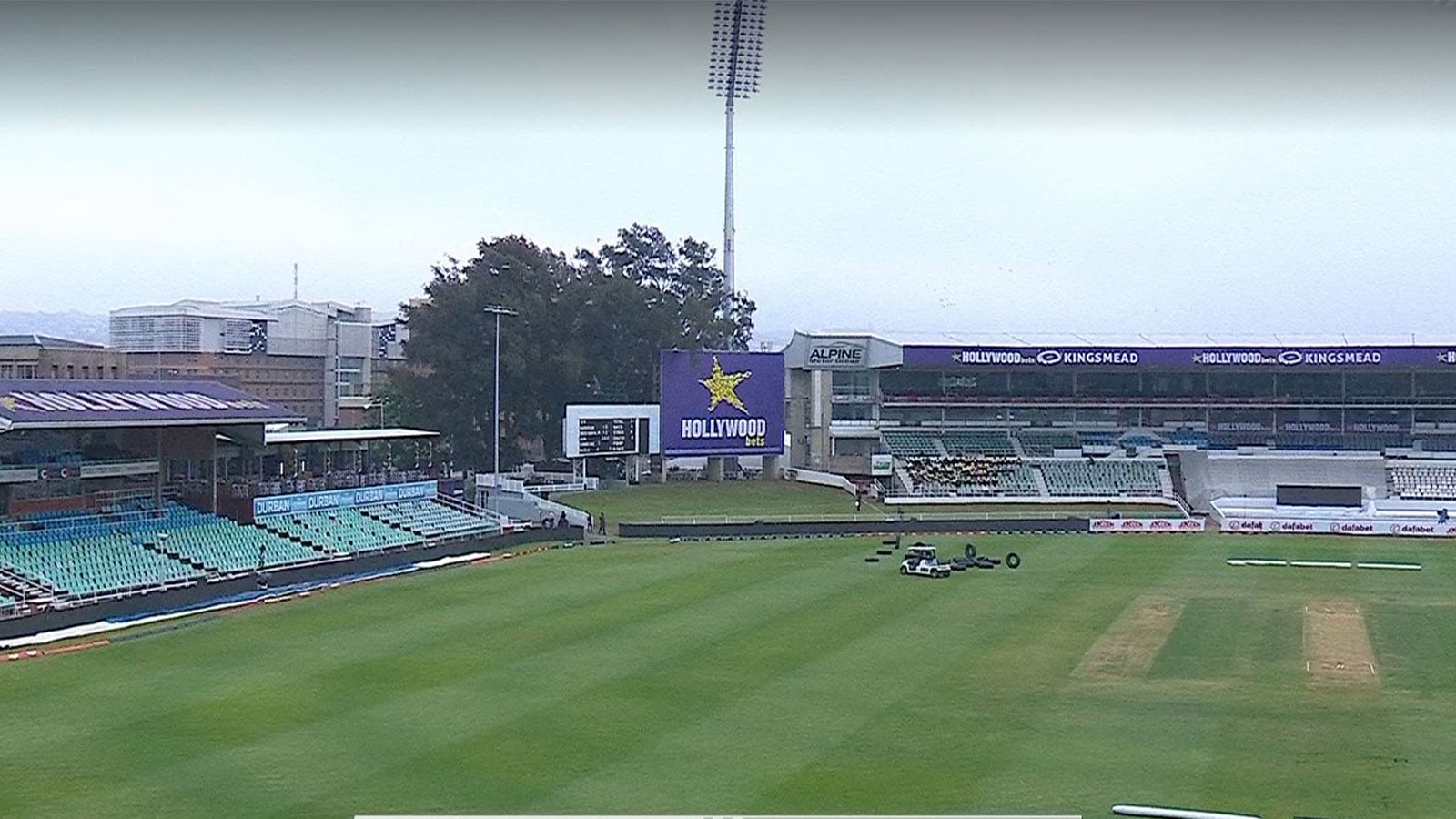
Australia will be battling both South Africa and fading light to win the first Test in Durban. Approximately 45 overs have been lost to bad light, with stumps called at 3:25pm, 4:20pm and 4:30pm across the first three days respectively.
Quick runs are vital for Australia on day four, while South Africa can still have a say with early wickets. Pat Cummins’ team finished day three on 33/0, leading by 139 after bowling the Proteas out for 284.
The Durban pitch has been pleasant for batting, with only the odd delivery turning sharply or misbehaving. Should conditions remain similar on Monday, a run rate closer to four an over would be in Australia’s best interests to ensure they have enough time to take 10 wickets.
However, quick wickets for the Proteas in the opening session can change Australia’s plans. New batters means more time taken out of the game as the visitors will be required to take greater care in ensuring they achieve a solid lead of at least 300.
But, if South Africa can limit Australia’s lead to below 300, a potentially thrilling run chase could be on the cards on day five depending on how the surface plays.
ALSO READ: Calls for Durban to stop hosting Test matches given bad light, low crowd in first Test
South Africa, Australia must take Durban’s bad light into consideration
Ashwell Prince says wickets is still the order of the day. Speaking after the third day, the Proteas’ batting coach said there could be a few “innovative field placings” in search of breakthroughs.
“You’ve got to look to take wickets,” Prince said, as quoted by Cricinfo.
“At the same time, you’ve got to control the run rate. You might say, well, you’re trying to cover both ends. In the first innings, they put a big score up on the board, but they went at 2.8 runs.
“They can afford to take a few more risks [in this innings], but I think we’ll see a [bit] more of the spinners tomorrow, maybe a few innovative field placings and put the ball in their court to come and play.”
South Africa missed an opportunity to put more pressure on Australia courtesy of a loose batting display on Sunday. A number of players threw their wicket away when set, with one dismissed in the 20s, four dismissed in the 30s, and another in the 40s.
A score around Australia’s 390 would have significantly reduced the visitors’ chances of victory given the light issues. A draw or South Africa win would’ve been the likeliest results in that scenario.
As things stand, Australia are in control at effectively 139/0, but still need a lot of things to go right to take a 1-0 series lead.